
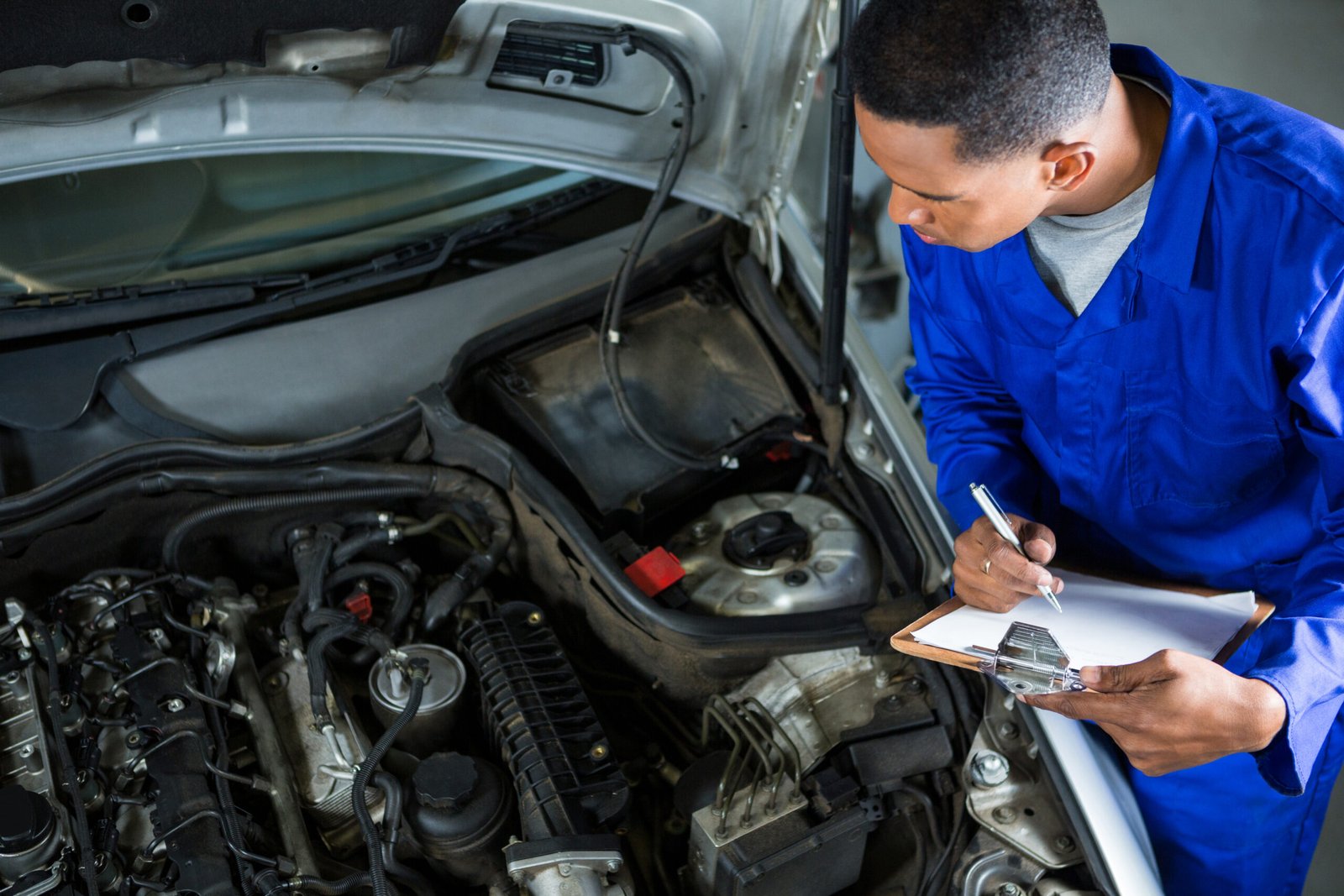
Your car does not break down in one day. Small problems build up over time. A weak battery, dirty spark plugs, low fluid levels, or worn belts slowly reduce performance. If you ignore these signs, repairs become expensive.
That is why every car owner needs a clear auto tune up checklist. A proper tune up keeps your engine strong, improves fuel economy, and helps you avoid sudden breakdowns. It also increases safety and extends the life of your vehicle.
This guide explains each step in simple terms. You will learn what to inspect, how often to check it, and why it matters. If you follow this checklist, your car will run smoother and last longer.
How Often Should You Perform a Tune Up?
Modern vehicles need less frequent tune ups than older cars. However, maintenance still matters.
Most vehicles need a basic tune up every 12 months or 10,000 to 30,000 miles, depending on the manufacturer. Some parts, such as spark plugs, may last up to 100,000 miles if they are long-life platinum or iridium plugs.
You should always:
- Check your owner’s manual
- Follow the recommended service schedule
- Perform inspections before long trips
- Schedule service sooner if warning signs appear
Driving conditions also matter. Stop-and-go traffic, extreme heat, dust, and short trips increase wear. In these cases, inspect your vehicle more often.
Complete Engine Inspection Checklist
The engine works under high heat and pressure every time you drive. A detailed inspection helps you detect early problems before they become serious repairs.
Start by checking for oil leaks around the engine block, valve cover, and oil pan. Oil spots under your vehicle often signal a leak that needs attention. Next, inspect visible wiring for cracks, loose connectors, or worn insulation. Damaged wiring can cause sensor failure or ignition problems.
Listen carefully while the engine runs. Knocking, ticking, or rattling sounds often indicate internal wear or low oil pressure. Look at the exhaust while the engine idles. Blue smoke may signal oil burning, white smoke may indicate coolant leakage, and black smoke often points to fuel system issues.
Check engine mounts for cracks or separation. Worn mounts cause vibration and movement that affect driving comfort and engine alignment.
A clean and stable engine runs more efficiently and produces steady power. If you notice vibration, loss of power, rough idling, or overheating, schedule a detailed inspection immediately to prevent further damage.
Spark Plugs and Ignition System Check
Spark plugs ignite the air and fuel mixture inside the engine. Worn plugs cause:
- Misfires
- Rough idle
- Poor fuel economy
- Slow acceleration
Remove and inspect spark plugs for carbon buildup, oil deposits, or worn electrodes. Replace them if they show wear.
Also inspect:
- Ignition coils
- Spark plug wires
- Distributor cap (if equipped)
A strong ignition system improves engine performance and reduces emissions.
Air Filter and Fuel Filter Inspection
The engine needs clean air and clean fuel.
Air Filter
A dirty air filter restricts airflow. This reduces power and lowers fuel efficiency. Replace it every 12,000 to 15,000 miles, or sooner in dusty areas.
Fuel Filter
The fuel filter blocks dirt from entering the engine. A clogged filter reduces fuel pressure and causes hesitation during acceleration. Replace it according to the manufacturer’s schedule.
Clean filters help the engine breathe and run smoothly.
Engine Oil and Fluid Level Check
Fluids protect and cool your vehicle’s systems.
Check:
- Engine oil
- Transmission fluid
- Brake fluid
- Power steering fluid
- Coolant
- Windshield washer fluid
Change engine oil every 5,000 to 7,500 miles for most vehicles, unless the manufacturer states otherwise.
Low or dirty fluids cause overheating, poor shifting, brake problems, and engine wear.
Battery and Charging System Test
A weak battery leaves you stranded without warning.
Inspect:
- Battery terminals for corrosion
- Battery case for swelling or cracks
- Voltage level with a tester
Most car batteries last 3 to 5 years.
Also test the alternator. A failing alternator cannot charge the battery properly. Dim headlights or slow engine cranking often signal charging system problems.
Belts and Hoses Inspection
Belts and hoses wear out over time.
Inspect for:
- Cracks
- Fraying
- Soft spots
- Bulging
- Leaks
A broken serpentine belt can disable the alternator, power steering, and air conditioning. A damaged radiator hose can cause overheating.
Replace worn components before they fail.
Brake System Inspection
Your brakes protect your safety.
Check:
- Brake pads thickness
- Brake rotors condition
- Brake fluid level
- Brake lines for leaks
Squeaking, grinding, or vibration while braking signals wear. Replace brake pads before they damage the rotors.
Healthy brakes ensure safe stopping distance.
Tire Condition and Air Pressure Check
Tires affect safety, fuel efficiency, and comfort.
Inspect:
- Tread depth
- Uneven wear
- Cracks or bulges
- Proper air pressure
Underinflated tires reduce fuel economy. Overinflated tires reduce traction.
Rotate tires every 5,000 to 7,500 miles to promote even wear.
Cooling System and Radiator Inspection
The cooling system prevents engine overheating.
Inspect:
- Coolant level
- Radiator cap
- Radiator hoses
- Cooling fan operation
Flush coolant every 2 to 5 years, depending on manufacturer guidelines.
Overheating can cause serious engine damage, including a blown head gasket.
Exhaust System Check
The exhaust system reduces harmful emissions and controls noise.
Inspect for:
- Rust
- Loose components
- Holes or cracks
- Excessive exhaust noise
A damaged exhaust system reduces fuel efficiency and increases emissions.
Dashboard Warning Lights and Diagnostic Scan
Modern vehicles use sensors and onboard computers.
If the check engine light turns on, perform a diagnostic scan. The scan reads trouble codes stored in the engine control module.
Do not ignore warning lights. Early detection prevents major repairs.
Road Test and Performance Evaluation
After completing the inspection, take the vehicle for a road test.
Pay attention to:
- Acceleration response
- Steering stability
- Brake performance
- Transmission shifting
- Engine noise
A smooth drive confirms that all systems work properly.
Signs Your Vehicle Needs an Immediate Tune Up
Your vehicle gives warning signs before a serious breakdown occurs. You need to recognize them early.
A rough idle often means spark plugs, ignition coils, or fuel delivery components need attention. Engine misfires reduce power and increase fuel consumption. Decreased fuel economy without changes in driving habits often signals dirty filters, worn spark plugs, or sensor issues.
Hard starting, especially in the morning, may indicate a weak battery, failing starter, or ignition problem. Stalling while driving can point to fuel system or sensor failure. Excessive exhaust smoke shows combustion problems that require quick inspection. A strong fuel smell may signal a leaking fuel injector or fuel line, which creates safety risks.
When you notice any of these symptoms, schedule service without delay. Quick action protects your engine and reduces repair costs.
Why Choose Old School Garage for Vehicle Services in Gainesville?
Routine maintenance requires skill and proper tools. Professional service ensures accuracy and safety.
Old School Garage provides affordable and reliable vehicle services in Gainesville. Our trained technicians perform complete inspections, replace worn parts, and use professional diagnostic equipment.
We focus on honest pricing and clear communication. Whether your car needs a full tune up or a simple inspection, our team delivers dependable service at reasonable rates.
Regular maintenance at a trusted local shop protects your investment and keeps your vehicle dependable.
Affordable and Reliable Vehicle Services in Gainesville
Old School Garage continues to serve drivers who want quality work without high costs. Our team handles inspections, tune ups, brake service, battery replacement, and full vehicle maintenance.
Reliable service reduces stress and prevents breakdowns. Professional care keeps your vehicle safe for daily driving.
Common Mistakes to Avoid During a Tune Up
Many car owners make small mistakes that lead to larger problems later. Avoid ignoring the owner’s manual. The manufacturer provides exact service intervals and part specifications for your vehicle.
Do not replace parts without proper diagnosis. Randomly changing components wastes money and may not fix the real issue. Always test before replacing.
Avoid using low-quality replacement parts. Cheap components wear out faster and reduce performance. Quality parts last longer and protect the engine.
Do not forget to check and top off fluids. Low oil, coolant, or brake fluid can cause serious damage. Always complete a road test after maintenance. A road test confirms that all systems operate correctly under real driving conditions.
Never ignore dashboard warning lights. These lights alert you to system faults that need attention. Proper procedure and careful inspection prevent repeat problems and keep your vehicle reliable.
Quick Recap
A complete auto tune up checklist covers every major system that keeps your vehicle running properly. It includes a full engine inspection, spark plug and ignition check, air and fuel filter replacement, fluid inspection, battery testing, belt and hose inspection, brake check, tire inspection, cooling system check, exhaust system inspection, diagnostic scan, and a final road test. When you follow this checklist on a regular schedule, you improve fuel efficiency, protect engine performance, and increase overall safety. Small inspections today prevent large repair bills tomorrow. Do not wait for a breakdown to take action. If you live in Gainesville and want professional service at a fair price, schedule your tune up with Old School Garage. Our team provides careful inspections and reliable repairs that help keep your vehicle running strong and dependable. Contact us now.