
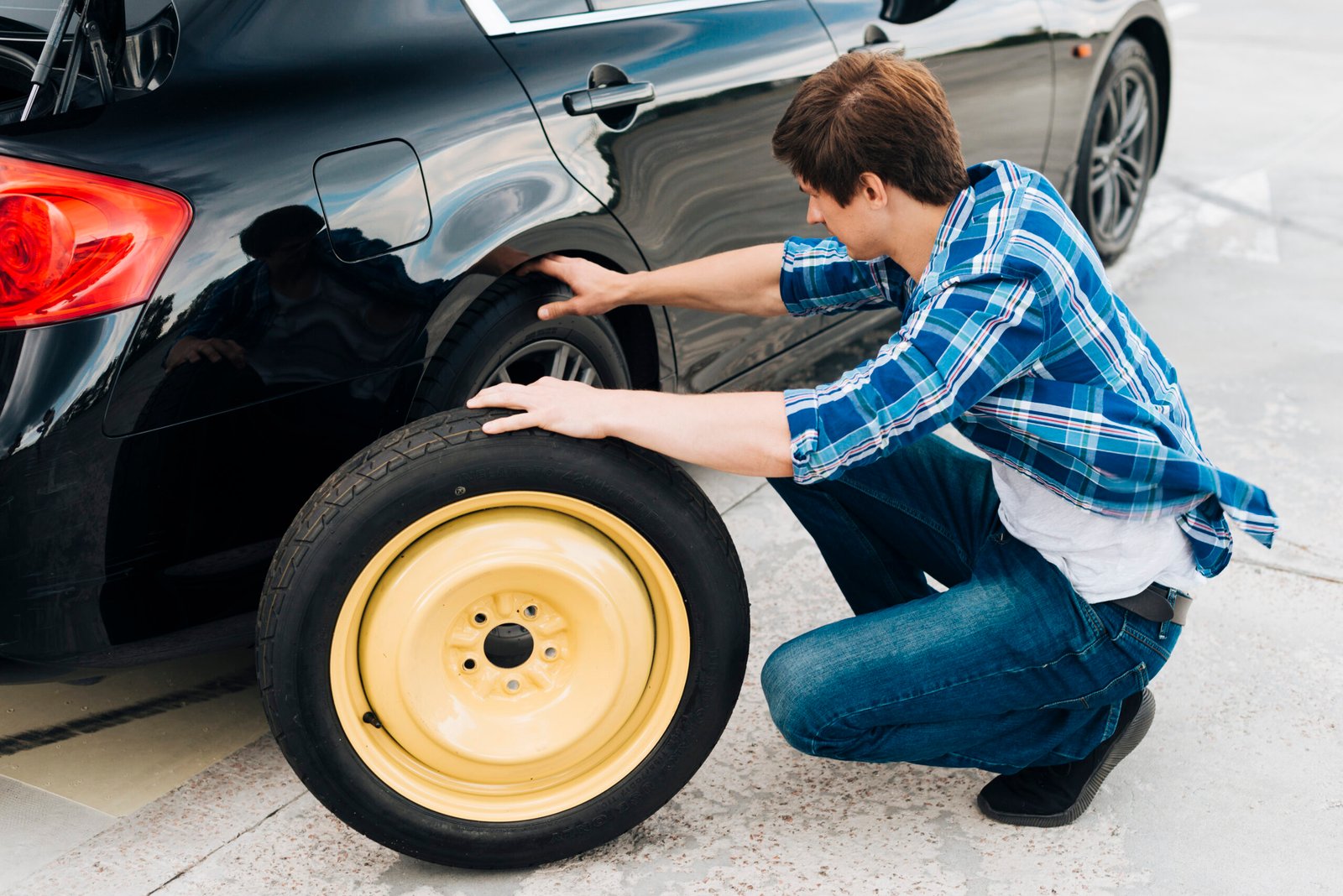
Driving should feel smooth, steady, and safe. Still, many drivers notice their car does not ride the same way it used to. The steering feels loose, braking takes longer, or the road feels rough even on smooth streets. In most cases, the problem does not start with the engine. It starts with the tires.
Tires stay in direct contact with the road every second. They support the weight of your vehicle, help you stay in control, and protect you during sudden stops. As long as tires stay in good condition, driving feels comfortable and safe. Once they wear out, small issues turn into real risks. Knowing when to change tires helps you avoid breakdowns, poor handling, and unsafe driving conditions.
Signs Your Tires Need to Be Replaced Soon
Tires do not fail all at once. They show clear signs over time. Many drivers ignore these signs until the ride becomes unsafe.
If your car starts to shake while driving at normal speeds, worn tires may be the reason. If the steering wheel pulls to one side, tire wear could already be uneven. You may also hear extra road noise, which often means the tire surface has lost its grip.
Another common sign appears when your car takes longer to stop, even during normal braking. As long as tires lose traction, stopping distance increases. Hence, ignoring early signs increases the risk of accidents.
How Tire Tread Depth Affects Safety and Ride Comfort?
Tire tread plays a major role in keeping your car stable. It helps tires grip the road, especially during rain.
As tread wears down, tires cannot push water away from the surface. This causes slipping and loss of control. Smooth tires also reduce ride comfort. Instead of absorbing small bumps, they send vibrations into the car.
A simple way to check tread depth is to look at the wear bars inside the tire grooves. If the tread is close to these bars, tire replacement becomes necessary. As long as tread depth stays healthy, your tires can perform safely.
Warning Signs of Tire Change You Should Never Ignore
Some tire problems require immediate attention.
Cracks on the sidewall signal rubber damage. Bulges show internal tire failure. Both conditions can cause sudden blowouts. If you see wires or fabric showing through the rubber, the tire has reached the end of its life.
Frequent loss of air pressure also signals trouble. If you refill air often, the tire may already be weak. Hence, delaying replacement only increases the risk of tire failure on the road.
How Should You Change Tires Based on Mileage?
Mileage provides a general guide for tire replacement.
Most standard tires last between 40,000 and 60,000 miles. However, this number changes based on driving habits, road quality, and tire care. City driving, rough roads, and poor alignment reduce tire life.
As long as you rotate tires on time and keep them properly inflated, they last longer. Still, mileage alone should not decide replacement. Always check tire condition along with mileage.
How Weather and Road Conditions Damage Your Tires?
Weather affects tires more than many drivers realize.
Hot weather causes rubber to harden and crack over time. Cold weather reduces tire flexibility, which lowers grip. Rain increases the risk of slipping if tread wears down. Rough roads, potholes, and construction zones also damage tires faster.
If you drive daily in harsh conditions, tire wear happens sooner. Hence, regular inspections become important for safety.
Why Old Tires Can Be Dangerous Even With Good Tread?
Tires age even when tread looks fine.
Rubber breaks down over time due to heat, air, and sunlight. Old tires lose flexibility, which reduces road grip. This problem often affects vehicles that are driven less often.
Most tire experts recommend replacing tires after six years, regardless of tread depth. As long as tires age, performance declines, even if they look usable.
How Tire Age Impacts Performance and Safety?
As tires get older, they respond slower to steering and braking.
You may notice reduced stability during turns or sudden stops. Wet road handling becomes weaker. Hence, tire age affects overall vehicle control.
Checking the tire manufacturing date helps identify tire age. This date appears on the tire sidewall. Replacing old tires improves safety and ride comfort.
When is Tire Replacement Better Than Tire Repair?
Tire repairs help only in limited cases.
Small punctures in the tread area can often be fixed. Damage to the sidewall cannot be repaired safely. Large cuts, deep cracks, and worn tread require full replacement.
If a tire needs frequent repairs, replacement becomes the safer and more cost-effective choice. As long as safety remains the priority, replacing damaged tires prevents future problems.
Looking For Tire Changes and Maintenance Services
If you want safe and smooth driving, professional tire service matters.
Old School Garage provides tire changes and tire maintenance services in Gainesville, along with complete auto repair services at affordable prices. Our team inspects tires carefully, checks tread depth, and recommends honest solutions based on safety, not sales.
As long as tires stay in good condition, your vehicle performs better. If you need tire replacement, rotation, balancing, or full auto repair service, Old School Garage stands ready to help.
Book an appointment now or contact us today to keep your car safe on the road.
Quick Recap and Call to Action
Worn or old tires affect comfort, control, and safety. Signs such as low tread, cracking, vibration, and poor handling show when tire replacement becomes necessary. Mileage, weather, and tire age also play key roles.
If you want smoother rides and safer driving, do not delay tire service.
Contact Old School Garage in Gainesville today for professional tire changes, maintenance, and complete auto repair services at a price you can trust.